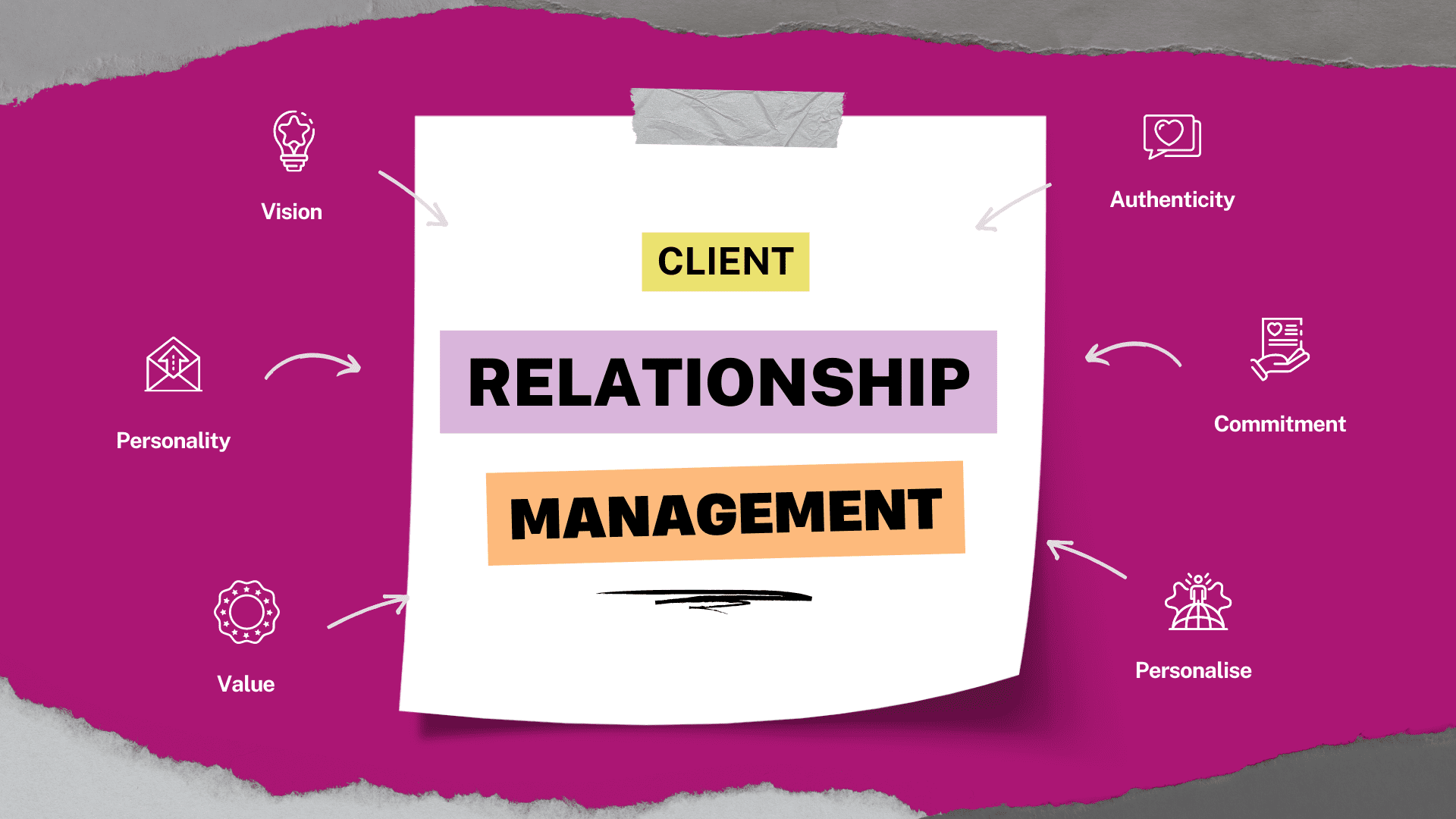
Think of every memorable conversation you’ve ever had. What made it so engaging? Likely, it was the feeling of being genuinely understood and valued by the person you were talking to – a sense that they knew what you were trying to say, respected your opinions, and could anticipate your needs. Your business could cultivate that same connection. This is where Customer Relationship Management (CRM) comes in.
So what is CRM in marketing? CRM systems create and nurture meaningful client relationships at scale. By collecting and analysing data from various customer touchpoints, it can personalise your business offerings, communication, and service, ultimately driving customer loyalty and growth. It’s about transforming every transaction into a personal interaction.
What Is CRM in Marketing?
Imagine a salesperson who never forgets a customer, recalls every conversation, and intuitively understands what to offer them next. Such a salesperson is a dream, right? That’s what CRM software is – a dream come true for businesses of all sizes, no matter the industry.
CRM, at its core, is a system for managing a company’s interactions with current and future customers. It’s software that facilitates collecting, organizing, and managing customer information – all in one place. This information can include customer contact details, interaction history, and transaction records.
In the context of marketing, CRM takes on a central role. Marketing is no longer just about broadcasting your product to a faceless crowd; it’s about fostering relationships and nurturing leads. CRM helps marketers better understand their customers’ needs and behaviour, enabling them to devise more effective marketing campaigns.
For example, at Manifest Website Design, we understand that every interaction with our clients is an opportunity for learning. Each email, call, or project discussion – no matter how minor – represents a potential 1% enhancement to our systems. Our CRM, Manifest Solutions, is the tool we use to capture and learn from these interactions.
Every piece of data is logged into our CRM system, which acts as our collective memory. By studying these minute details, we can tailor our services more effectively, creating website designs that not only meet our clients’ current needs but anticipate their future ones as well.
Another example is a hypothetical café called “John’s Coffee Shop” which has expanded to four locations in Australia over five years. The café became famous for its unique customer loyalty program. By using CRM software, John’s Coffee Shop was able to keep track of customers’ coffee preferences, purchase history, and even birthdays.
CRM allowed them to tailor promotions, recommend new coffee flavours based on preferences, and send personalized birthday offers. Consequently, customers felt recognized and valued.
They weren’t just firing off emails into the ether, hoping something sticks. Instead, they were crafting personalized messages for Robert who loves dark roast, Sarah who prefers decaf, and Rachel who visits every Sunday for a latte.
But Manifest Website Design and John’s Coffee Shop are just two examples. Across the globe, businesses of various scales are turning to CRM to transform their marketing efforts.